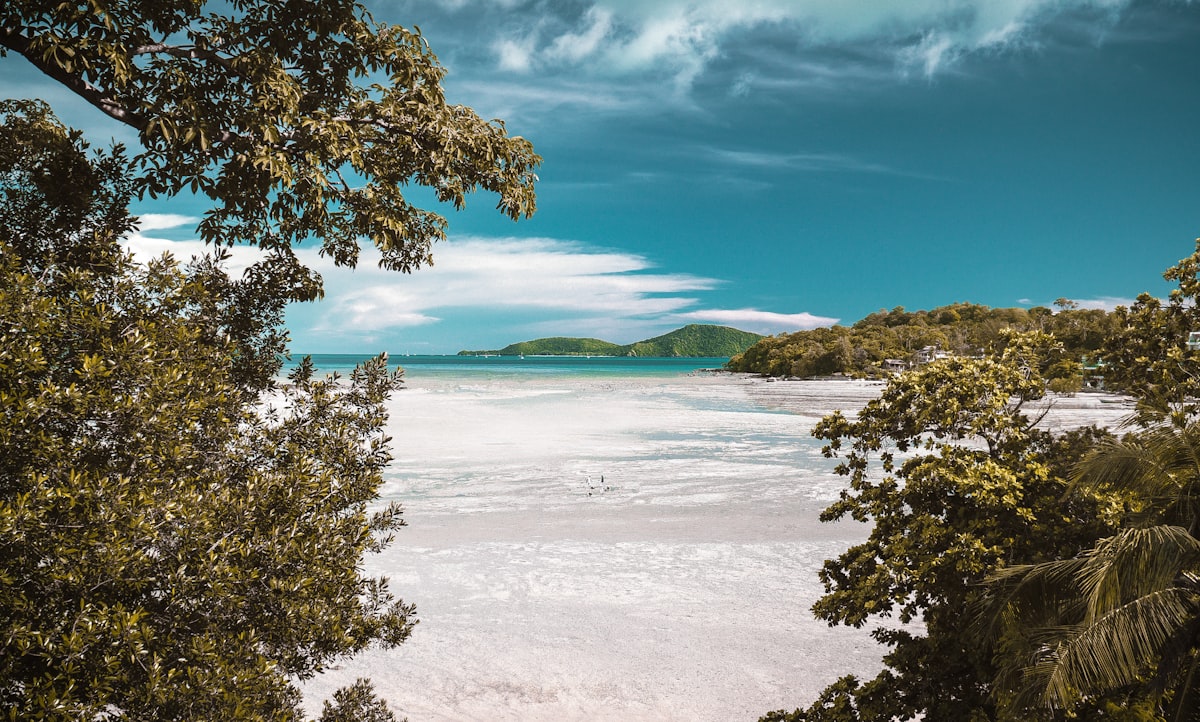
 South · Andaman Coast
Phuket
The island most foreign buyers know. Wide condo choice, international hospitals and west-coast beaches. Busier and pricier than most of Thailand.
1-bed condo from $39K · average $141K
Keep your Finder results, your notes with us and your shortlist in one place.
We find, check and help you buy a condo or home in Thailand, for vacations or retirement. Independent Thai lawyers review every document. No nominee structures. No hype. You pay nothing for our help.
Seven markets, each with its own prices, rules and pace. Phuket first. Prices below are 1-bedroom condo asking prices, September 2026.
South · Andaman Coast
The island most foreign buyers know. Wide condo choice, international hospitals and west-coast beaches. Busier and pricier than most of Thailand.
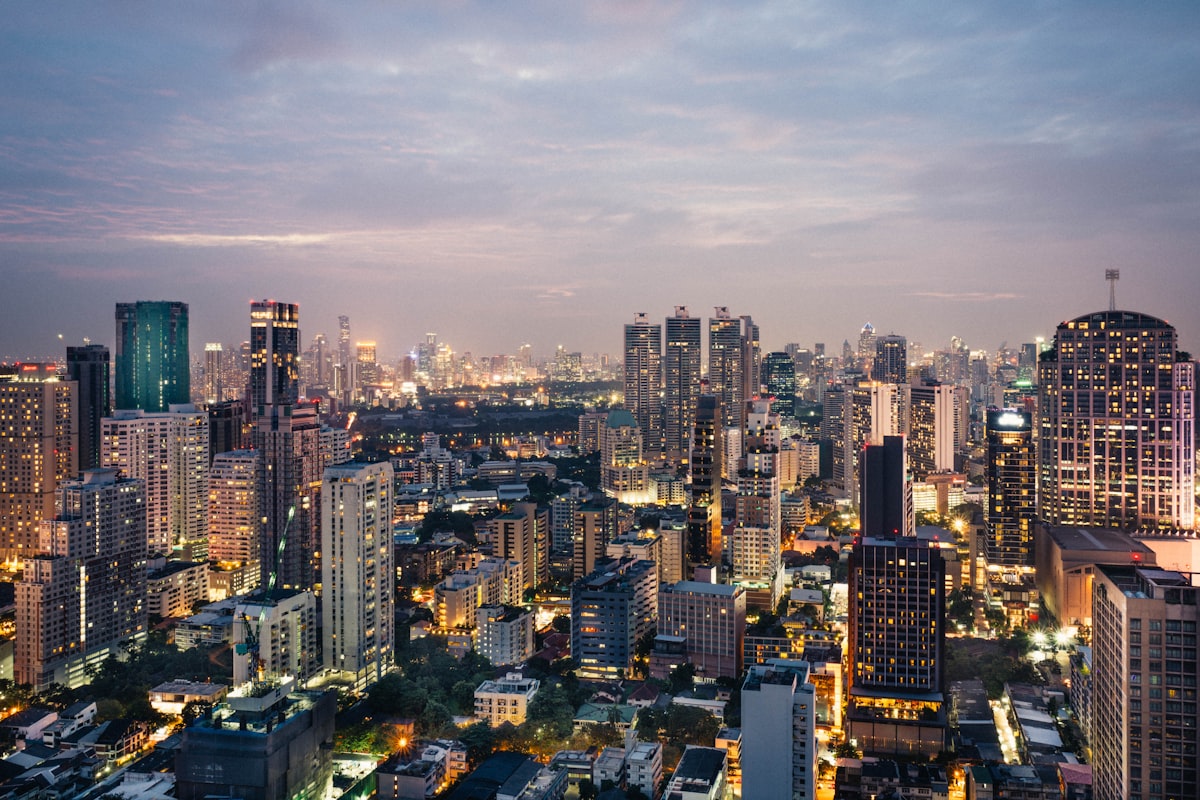 Central · Capital
Big-city living with Thailand's best-known hospitals and a skytrain. Hot, crowded, and no beach.
 North · Mountains
Mountains, a cooler season and the lowest everyday costs of the seven. No beach, and smoky air in the spring burning season.
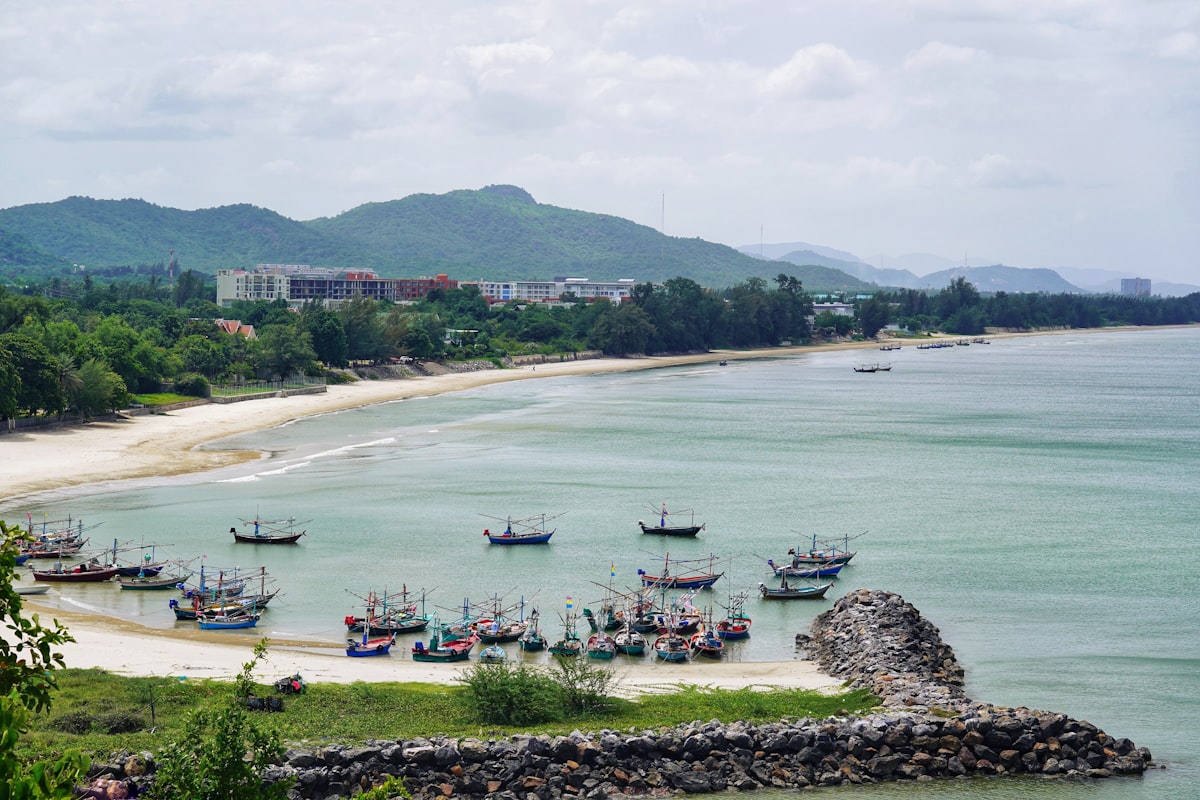 Central Coast · 2.5hr from Bangkok
A calm beach town within driving distance of Bangkok's hospitals. Popular with retirees and golfers. Fewer places to eat out than Phuket.
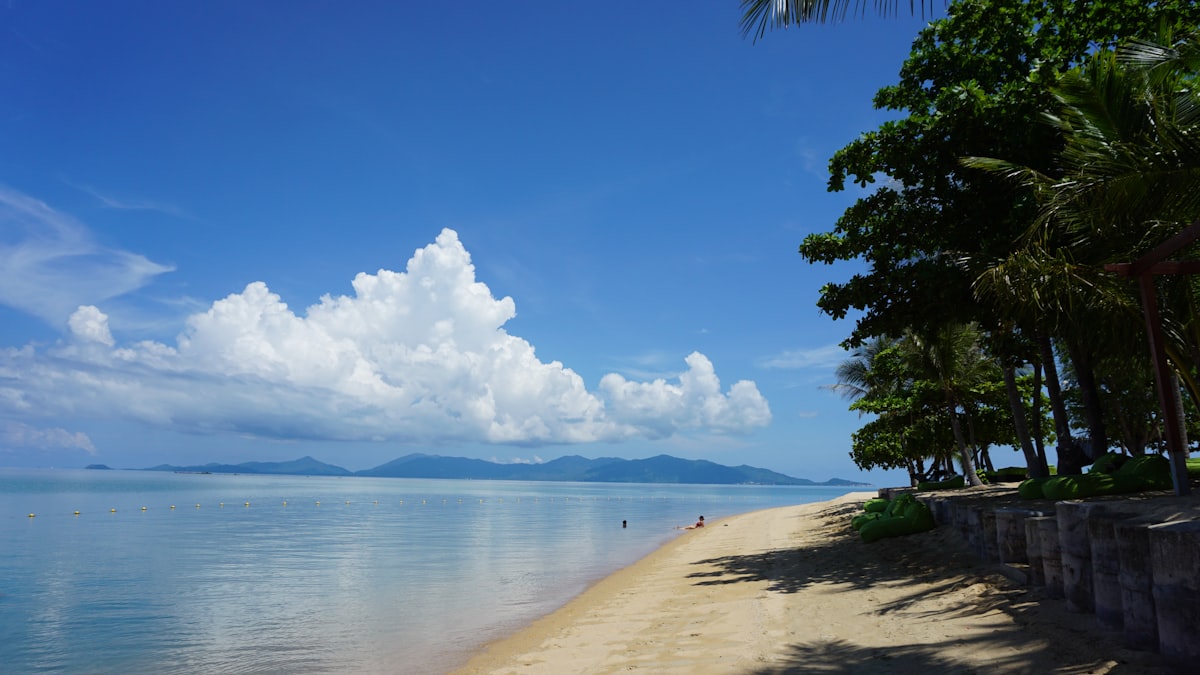 Gulf · Island
A smaller, quieter island in the Gulf. Fewer condos for sale, and flights cost more than to Phuket.
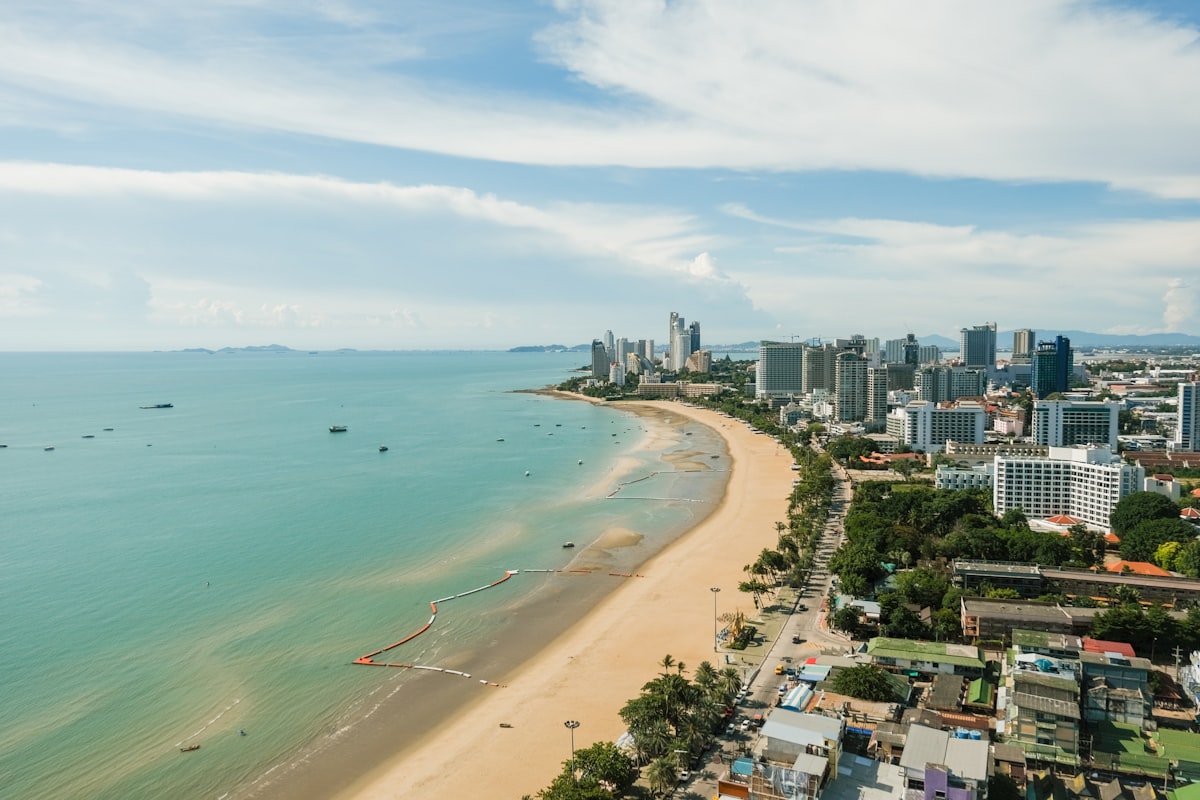 East Coast · 2hr from Bangkok
A beach city with a large condo supply and a short motorway drive to Bangkok. Lively, and not for everyone.
From the first search to the keys. You stay in control and see every document before you pay.
We match you to a city and neighborhood, then shortlist homes a U.S. citizen can legally buy, with the foreign quota checked.
An independent Thai lawyer checks the title deed, the developer and the contract. You get the findings in writing, in plain English.
A condo in your own name within the 49% foreign share, or a lease registered at the Land Office. Never a nominee company.
The money-transfer paperwork, the Land Office transfer, and a move-in list: visa options, bank account, insurance and utilities.
You should know what we refuse to do before you decide to work with us.
Tell us the region, budget and what the home is for. Within two business days you get three matched homes and a one-page neighborhood brief. You pay nothing for our help.
Seven questions, three minutes. We rank cities and neighborhoods by how you want to live. Send us your results and we'll shortlist homes a U.S. citizen can legally buy, priced in dollars.
This shapes everything that follows: rental income vs. daily living, condo vs. villa, and where to look.
From rural village edge to a major-city core. There's no right answer — only fit.
What do you want your day-to-day environment to feel like?
An honest range — it shapes which regions and ownership structures are even available to you. Drag both handles.
If you're open, choose your strongest lean. Ownership structures differ significantly by type.
Select all that genuinely matter — these often decide which neighborhood actually works.
Last one. Thailand's regions vary more than visitors realize.
Ranked against your profile. Top 3 shown. Want a specific property shortlist? Review your profile and send it to our team.
Seven markets, compared on condo prices, what a meal costs and who lives there. Phuket first, then Bangkok, Chiang Mai, Hua Hin, Koh Samui, Pattaya and Krabi. Every place has a downside; we name it.
Andaman CoastThe island most foreign buyers know. Bang Tao and Surin for beach life, Kamala and Layan for quiet, Rawai and Nai Harn for long stays. Busier and pricier than most of Thailand.
Central · CapitalSukhumvit, Sathorn, Riverside, Phrom Phong and Thonglor are where most foreign buyers look. Big-city living, Thailand's best-known hospitals, the BTS and MRT. Hot, crowded, and no beach.
North · MountainsNimman, Hang Dong and Mae Rim are the main areas for foreign residents. The lowest everyday costs of the seven and a cooler season. No beach, and smoky air in the spring burning season.
2.5hr from BangkokA calm beach town within driving distance of Bangkok's hospitals. Condos near the beach, villa estates inland. Popular with retirees and golfers; fewer places to eat out than Phuket.
Gulf · IslandLower density than Phuket. Bophut, Choeng Mon and Maenam are the main villa areas. Direct flights from Bangkok and Singapore, but fares cost more than to Phuket. Fewer condos for sale.
East Coast · 2hr from BangkokJomtien, Pratumnak Hill and East Pattaya offer condos, villas and house compounds. A large condo supply and a short motorway drive to Bangkok. Lively, and not for everyone.
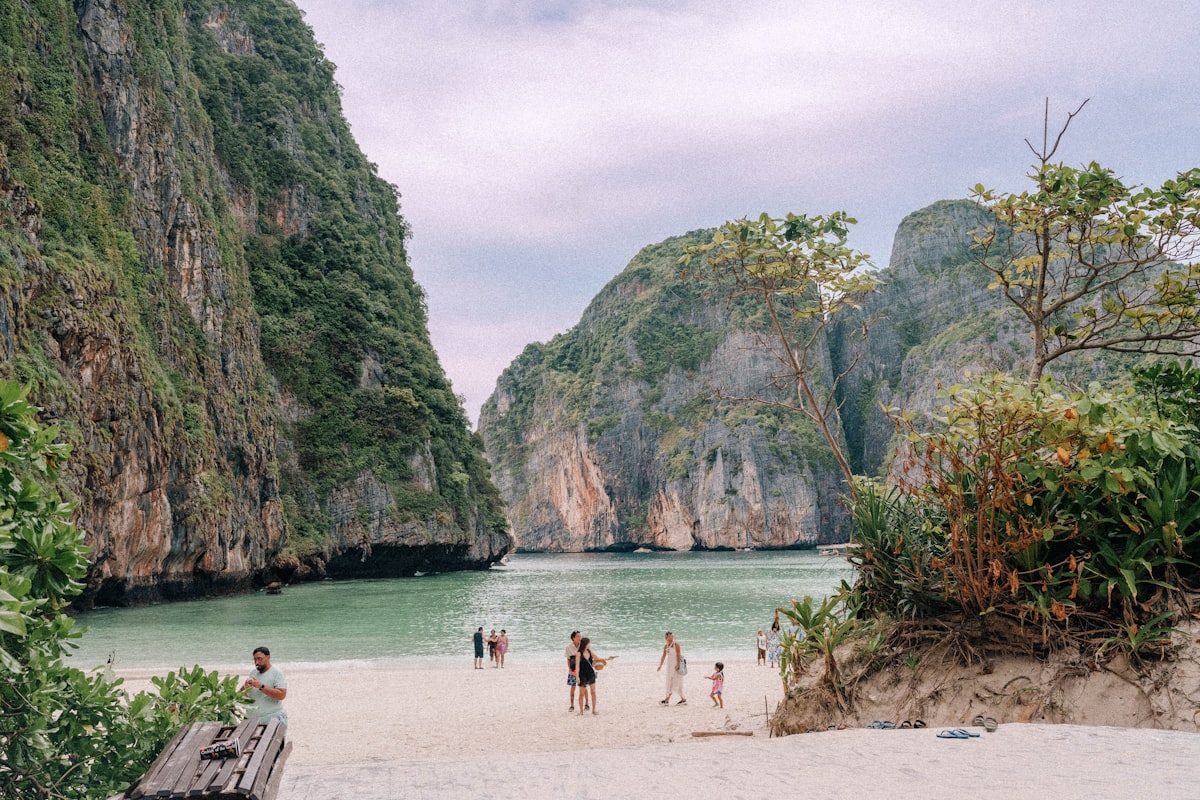 Andaman · Quieter
A quieter Andaman choice than Phuket. Ao Nang and Klong Muang in Krabi, Natai Beach in Phang Nga. Big scenery, fewer crowds, and far fewer homes for sale.
How to read these numbers: condo prices are asking prices for 1-bedroom condos for sale on PropertyScout. Krabi is the median of 13 Ao Nang listings on Thailand-Property. Averages include some very expensive listings, so a typical unit often costs less. Meal prices are per person from Numbeo; the mid-range meal is a three-course dinner for two, halved. Michelin counts are from the MICHELIN Guide Thailand 2026. By Michelin's own price bands, a Bib Gourmand meal costs under 1,500 baht ($45). Starred prices are published dinner menus, before service charge and VAT. All checked September 26, 2026, at 33.4 baht per U.S. dollar.
Run the Property Finder: seven questions, three minutes, a ranked match. Or send us a brief and we'll answer within two business days.
We help U.S. citizens only. We work with independent Thai lawyers, we refuse nominee deals, and we tell you when not to buy.
Clarum Properties helps Americans find and buy a vacation home or a retirement home in Thailand. Mostly Phuket, then Bangkok, Chiang Mai, Hua Hin, Koh Samui, Pattaya and Krabi.
We handle the search, the shortlist, the checks, the legal structure and the closing. An independent Thai lawyer, not the seller's lawyer, reviews every purchase. You see every document, explained in plain English, before you pay anything.
Clarum Properties is a U.S.-registered company.
Most property firms in Thailand sell to everyone. We work with one kind of buyer: a U.S. citizen who wants the facts first and a plan they can follow.
Nothing. You don't pay us anything for our help, from the first brief to the keys. You pay the property price and the usual government transfer fees and taxes, and we show you those in writing before you commit.
Send a short brief: where, budget, and what the home is for. Within two business days we'll tell you plainly whether Thailand fits, and where to look.
The rules as of September 2026, a monthly budget in dollars, and what a doctor visit really costs. Every figure names its source.
Since September 15, 2026, Americans get 30 days visa-free, extendable once by up to 30 more. To live in Thailand, you need a long-stay visa. Most retirees use one of two.
Sources: Royal Thai Consulate-General, Los Angeles (updated Sept 1, 2026); Thai General Insurance Association; Thailand Board of Investment LTR site. Rules change; we check them every quarter.
For one person, Numbeo's September 2026 figures come to about $1,020 a month in Chiang Mai and about $1,380 in Phuket or Bangkok, including a 1-bedroom apartment in the city center.
| City | Living costs | 1-bed rent | Total a month |
|---|---|---|---|
| Chiang Mai | 18,221 baht | 15,982 baht | about $1,020 |
| Phuket | 21,524 baht | 24,467 baht | about $1,380 |
| Bangkok | 23,551 baht | 22,837 baht | about $1,390 |
Living costs are Numbeo's estimate for one person, excluding rent. Rent is a 1-bedroom apartment in the city center. Numbeo, updated September 21–22, 2026, at 33.4 baht per dollar. Health insurance and trips home are not included.
For a couple, International Living's January 2026 sample budget is $1,689 a month, including $600 rent and $400 for health care. If you own your condo, rent drops out, but condo fees and upkeep come in.
Medicare usually doesn't pay for care outside the U.S. Private hospitals in Thailand publish their prices, so you can see what care costs before you go.
| Procedure | Where | Published price |
|---|---|---|
| Basic health check-up | Bangkok Hospital Phuket clinics | $45 |
| Full check-up, men over 50 | Bangkok Hospital, Bangkok | $840 |
| Dental check-up | Thantakit Dental, Bangkok | $30–$60 |
| Tooth replacement (implant and crown) | Thantakit Dental, Bangkok | $1,950–$3,150 |
| Cataract surgery, one eye (lens extra) | Bangkok Hospital, Bangkok | $2,070 |
| Knee replacement, one knee (implant extra) | Bangkok International Hospital | $9,290 |
Published prices from the hospitals' and clinic's own price pages, checked September 26, 2026, at 33.4 baht per dollar. Most surgical prices are Bangkok list prices; ask for a Phuket quote before you plan on it.
Health insurance that meets the O-A visa minimum is not expensive. One insurer's visa plan, covering care in Thailand only with a 100,000 baht deductible, costs:
| Age | Visa-level plan, per year |
|---|---|
| 51–60 | $356–$578 |
| 61–70 | $455–$790 |
| 71–80 | $680–$1,186 |
Chubb Thailand long-stay visa plan, 2026 price page. A visa-level plan is a minimum, not full cover. Many retirees buy a fuller plan.
TRICARE retirees can use TRICARE Select Overseas, or TRICARE For Life if they are 65 or older and have Medicare Part B. Expect to pay the hospital up front and file your own claims.
U.S. citizens can receive Social Security in Thailand. It can be paid straight into a Thai bank account. The Social Security Administration sends a questionnaire every year or two; if you don't send it back, payments can stop.
There is no Social Security agreement between the U.S. and Thailand, so work in Thailand doesn't count toward U.S. benefits. Ask your pension plan in writing how it pays retirees who live abroad, and whether it can pay into a Thai account.
Sources: IRS FBAR and Form 8938 pages (updated July and September 2026); U.S.-Thailand income tax treaty. This is general information, not tax advice. Use a tax adviser who knows both countries.
Yes. Most Americans aged 50 or older use the Non-Immigrant O-A retirement visa, or the 10-year LTR visa if they have at least $80,000 a year in pension or passive income. Since September 15, 2026, visa-free entry for Americans is 30 days, so a long stay needs a visa.
For the O-A visa: 800,000 baht (about $24,000) in a Thai bank, or 65,000 baht (about $1,950) a month in income, or a mix of the two. You also need health insurance with at least 40,000 baht outpatient and 400,000 baht inpatient cover; first-time applicants are asked for $100,000 (3 million baht) of cover. Rules checked September 2026.
For one person, usually yes. Numbeo's September 2026 figures put one person's living costs plus a 1-bedroom apartment at about $1,020 a month in Chiang Mai and about $1,380 in Phuket or Bangkok. Add health insurance and trips home. A couple needs more.
No. Medicare usually doesn't pay for care outside the U.S. Most retirees in Thailand buy private health insurance and pay hospitals directly. TRICARE retirees can use TRICARE overseas, but expect to pay up front and file claims.
Yes. U.S. citizens can receive Social Security in Thailand, and it can be paid straight into a Thai bank account. The Social Security Administration sends a questionnaire every year or two; if you don't return it, payments can stop.
It depends. If you stay in Thailand 180 days or more in a year, Thailand can tax foreign income you bring into the country. Under the U.S.-Thailand tax treaty, U.S. Social Security is taxed only by the U.S. Private pensions and savings are treated differently, so talk to a tax adviser who knows both countries.
Tell us your timeline, budget, and where you're thinking of living. Within two business days you get a straight answer on whether Thailand fits, which city, and what to buy or rent first. You pay nothing for our help.
The treaty lets U.S. citizens own a Thai business. For a home, the legal paths are a condo in your own name or a registered lease.
The Treaty of Amity and Economic Relations between the United States and Thailand was signed in 1966. It lets U.S. citizens and U.S. companies own a majority of, or all of, a Thai business in most sectors. Thai law normally limits foreign ownership of a Thai company to 49%.
That is a business right. It is not a property right.
The treaty does not let Americans own land, and a Treaty of Amity company cannot own Thai land either. Anyone who tells you otherwise, or offers a company with Thai “shareholders” who hold shares on your behalf, is describing a nominee structure. Nominee structures are illegal. Thailand is screening 125,622 companies for nominee ownership (The Nation, September 8, 2026), and buyers who use them risk losing the property.
Yes, but not land. A U.S. citizen can own a condo unit in their own name, as long as foreign ownership in the building stays within 49% of its floor area. For a house or villa, the legal path is a lease registered at the Land Office, usually for 30 years.
No. Thai law does not let foreigners own land, and the Treaty of Amity does not change that. A Treaty of Amity company cannot own Thai land either. The legal options are a condo in your own name or a registered lease.
It is a 1966 treaty that lets U.S. citizens and U.S. companies own a majority of, or all of, a Thai business in most sectors. It is about doing business in Thailand. It does not give Americans the right to own land.
Tell us what you want to buy. We'll explain the legal path, condo or registered lease, in plain English, with an independent Thai lawyer checking the details.
Send a short brief. Within two business days you get a shortlist, or a straight answer if Thailand isn't right for you. You pay nothing for our help.
Optional — sign in and we'll pre-fill your details, save quiz results to a private dashboard, and keep your follow-up thread in one place.
| Name | Type | Top City | Score | Contact Method | Date | Follow-up Due | Status |
|---|
Upload images for each city. They appear on region cards, listing cards, and quiz result cards.
Connect your EmailJS account to enable automatic lead notifications. Create a free account →
Configure when emails are sent and customize the subject line and message for each trigger.
{{lead_name}}
{{lead_email}}
{{lead_phone}}
{{lead_top_city}}
{{lead_score}}
{{lead_budget}}
{{lead_brief_message}}
Manage your social media profiles. These appear in the footer and throughout the site.
Create a project at console.cloud.google.com → APIs & Services → Credentials → OAuth 2.0 Client ID.
Set up at developer.apple.com → Certificates → Services IDs → "Sign In with Apple".
Edit footer column links. Each row has a label and a page key (e.g. finder, regions, contact).
Each data block auto-generates its settings here. Change data source, refresh interval, visibility, and sort order.
| Name | Role | Signed up | Last active | Quizzes | Messages | Actions |
|---|
Ownership, visas, money, health and taxes. Rules checked September 2026. General information, not legal or tax advice.
Yes. A foreigner, including a U.S. citizen, can own a condo unit in Phuket in their own name, as long as foreign ownership in the building stays within 49% of its floor area. For a villa or house, the legal path is a lease registered at the Land Office, usually for 30 years. Foreigners cannot own land.
Yes. Under the Condominium Act, a U.S. citizen can own a condo unit outright, with a title deed in their own name, within the building's 49% foreign share. The purchase money must come from abroad in foreign currency, and the Thai bank issues a form that proves it.
Mostly on the west coast and in the south. Bang Tao and Laguna for resort living, Kamala, Surin and Layan for quieter beaches, and Rawai and Nai Harn for long stays and a settled community. Patong is lively and built for visitors, not for most full-time residents.
It can be, but we don't promise returns. Prices and rents vary a lot from building to building, some areas have too many new condos, and rental results depend on the manager. Buy a home you would be glad to live in, at a price you can check against real sales.
Look for someone who talks about ownership structure, legal risks and downsides, not just listings. Make sure they refuse nominee structures, which are illegal. Ask for the name of the independent Thai lawyer who will act for you, not for the seller, and ask to speak with past buyers.
Freehold means you own the property outright with no time limit. For foreigners, that is only possible for condo units within the 49% foreign share. Leasehold means you hold a registered right to use the property for a set term, usually 30 years. It is the standard legal route for foreigners buying a villa or house.
A 30-year lease registered at the Land Office on land with a full title deed (Chanote) is legally solid. The lease must be registered, not just signed privately, and the land title should be Chanote, not a lower grade. An independent Thai lawyer should check every document.
No. Thai law allows a registered lease of up to 30 years. Renewal clauses written as "30+30+30" are promises in a contract, not guaranteed rights, and a court may not enforce them against a new owner. A 99-year lease has been proposed but is not law as of September 2026.
It depends on your plans. A condo in your own name gives the cleanest title and the easiest resale to other foreign buyers. A leased villa gives more space and privacy, but only 30 guaranteed years. Many buyers choose a condo for simplicity and rent a house if they want one.
No. Thai law does not let foreigners own land, and the Treaty of Amity does not change that. A Treaty of Amity company cannot own Thai land either. The legal options are a condo in your own name or a registered lease.
The Condominium Act lets foreigners own up to 49% of a condo building's total floor area. The other 51% must be owned by Thais. Each building has its own quota, and popular buildings can fill up, so the quota must be checked before you pay a deposit.
You can't buy a Thai-quota unit in your own name, and you should never use a company or a Thai friend to get around the rule. Look at another building with quota open, or lease a unit from a Thai owner on a registered lease.
Yes, if the structure is legal and the checks are done. The main risks are nominee structures, weak land titles, unfinished new projects and poorly written leases. An independent Thai lawyer, a title check and money sent from abroad with the right bank form prevent most of them.
Yes, for a month or longer, if the building's rules allow it. Rentals shorter than 30 days count as hotel business under Thailand's Hotel Act, and many condo buildings ban them in their rules. Thai courts have upheld those bans.
Usually not legally. Stays under 30 days fall under the Hotel Act, which requires a license or registration. Penalties can reach a year in jail and a 20,000 baht fine, plus 10,000 baht a day. The Condominium Act also bans business use of residential units. We only show rental plans that are legal.
Thailand taxes it as personal income at 0% to 35%, with a standard 30% deduction for expenses. In the U.S., you report it on Schedule E, can claim a foreign tax credit for Thai tax, and depreciate the condo over 30 years. A condo you don't live in also pays Thailand's Land and Building Tax, 0.02% a year of its appraised value in most cases.
Most owners hire a property manager. Published Phuket prices run from about 10% to 25% of rental income, depending on the service. We can introduce managers; you choose, and you sign with them directly.
The Land Office charges a transfer fee of 2% of the appraised value. It is often split 50/50 with the seller, but that is negotiable. The seller usually pays the specific business tax (3.3% if they owned the unit less than five years) or the stamp tax (0.5% otherwise), plus withholding tax. Your lawyer's fee is quoted in writing before you start.
A resale condo with a clean title usually takes four to eight weeks from offer to transfer. The steps: reservation, lawyer's checks, the sale contract, sending the money from abroad and getting the bank form, then transfer at the Land Office. New projects follow the developer's building schedule.
No. You can sign a Power of Attorney so a Thai lawyer can complete the transfer for you. Until Thailand's apostille rules take effect on February 28, 2027, the document is notarized in the U.S., authenticated by your state and the U.S. Department of State, then legalized by a Thai embassy or consulate. The money must come from abroad in foreign currency.
Usually not. Thai banks generally lend only to foreigners who live and work in Thailand with a work or residence permit. Most American buyers pay cash, sometimes funded by a loan at home.
Yes. A spouse who doesn't qualify for the retirement visa on their own can be considered for a Non-Immigrant O visa as your dependent, with your marriage certificate. The 10-year LTR visa allows up to four dependents, including a spouse.
30 days for tourism, since September 15, 2026, and it can be extended once by up to 30 days. It used to be 60 days. For longer stays, you need a long-stay visa such as the O-A retirement visa or the LTR.
Yes. Thai nationals can own land. As the foreign spouse, you may be asked to sign a statement at the Land Office that the money is your Thai spouse's own. If you divorce, property bought during the marriage is generally split equally, unless a registered prenuptial agreement says otherwise.
A condo you own can pass to your heirs. A foreign heir who doesn't qualify to own it must tell the authorities within 60 days and sell it within one year. A Thai will for your Thai property makes this much easier for your family.
Yes. U.S. citizens can receive Social Security in Thailand, paid straight into a Thai bank account if you like. Return the Social Security Administration's questionnaire every time it comes, or payments can stop.
Most pensions keep paying when you move, but each plan has its own rules. Ask your plan in writing how it pays retirees abroad, and whether it can pay into a Thai account or only a U.S. one.
Owning it doesn't create U.S. tax by itself. Rental income goes on Schedule E, and a gain when you sell is reportable. You file an FBAR if your foreign accounts total more than $10,000 at any time in the year. A condo you own directly in your own name is not reported on the FBAR or Form 8938.
Possibly. If you stay 180 days or more in a year, Thailand can tax foreign income you bring in. Under the U.S.-Thailand tax treaty, U.S. Social Security is taxed only by the U.S., and U.S. government pensions generally are too. Private pensions and savings are treated differently. Use a tax adviser who knows both countries.
No. Medicare usually doesn't pay for care outside the U.S. Most retirees in Thailand buy private health insurance. A visa-level plan for ages 51 to 60 costs about $356 to $578 a year with one insurer; fuller cover costs more.
Yes, overseas rules apply. Retirees use TRICARE Select Overseas, or TRICARE For Life if they are 65 or older with Medicare Part B. Expect to pay the hospital up front and file your own claims, within three years of the care.
Bangkok Hospital Phuket and Bangkok Hospital Siriroj are the main private hospitals with international patient services. Mission Hospital Phuket is a smaller private hospital. Complex cases are often referred to Bangkok.
Private hospitals publish their prices. A basic check-up at Bangkok Hospital Phuket's clinics costs about $45. A single tooth replacement with an implant and crown costs about $1,950 to $3,150 in Bangkok. A knee replacement at Bangkok International Hospital costs about $9,290 plus the implant. Prices checked September 2026.
The U.S. State Department rates Thailand Level 1, exercise normal precautions, as of July 2026, with Level 2 for the Cambodian border area and the three southernmost provinces. The biggest everyday risk is road traffic. Petty theft happens in tourist areas.
Use an independent Thai lawyer who works for you, not the developer's lawyer. Check the title deed and the developer's finished projects. Never use a nominee structure. Be wary of guaranteed rental returns. For new projects, tie payments to building progress.
A nominee company is one where Thai "shareholders" hold shares on a foreigner's behalf so the foreigner can control land. It is illegal. Thailand is screening 125,622 companies for nominee ownership (The Nation, September 8, 2026), and buyers who use them can lose the property.
The distance from family, with long flights usually via at least one connection. A language barrier. Heat and, in the north, smoky air in spring. Road safety. Visa and tax rules that change. And foreigners can't own land. We'd rather you hear this from us first.
Mexico is closer, with short flights and easy trips home, and Spanish is familiar to many Americans. Thailand is much farther away but offers private hospitals with published prices and low everyday costs. Check the State Department advisory for the exact Mexican state you're considering.
Costa Rica is closer to the U.S. and its property rules are simpler for foreigners. Thailand has mountains, beaches and big cities in one country, and lower everyday costs in most places. It comes down to distance from family versus cost and variety.
Panama uses the U.S. dollar and is a short flight from home. Thailand offers more variety and lower costs in many places, but ownership rules are more complex. With a condo in your own name and a lawyer who works for you, those rules are manageable.
We help U.S. citizens find and buy a vacation home or retirement home in Thailand. We handle the search, the shortlist, the checks, the legal structure and the closing, with an independent Thai lawyer on every purchase.
No. You don't pay us anything for our help. You pay the property price and the usual government fees and taxes, and we show you those in writing before you commit.
We don't run a public listings site. We start with your budget, location and plans, then build a shortlist of homes a U.S. citizen can legally buy, from developers and resale listings.
We don't give legal or tax advice; independent Thai lawyers do the legal work. We don't use nominee structures. We don't promise rental income or rising prices. We don't work outside Thailand. If you need something we don't do, we'll tell you who does.
